
Fique por dentro de tudo o que acontece na Univates, clique nos links a seguir e receba semanalmente as notícias diretamente no seu WhatsApp ou no Telegram.
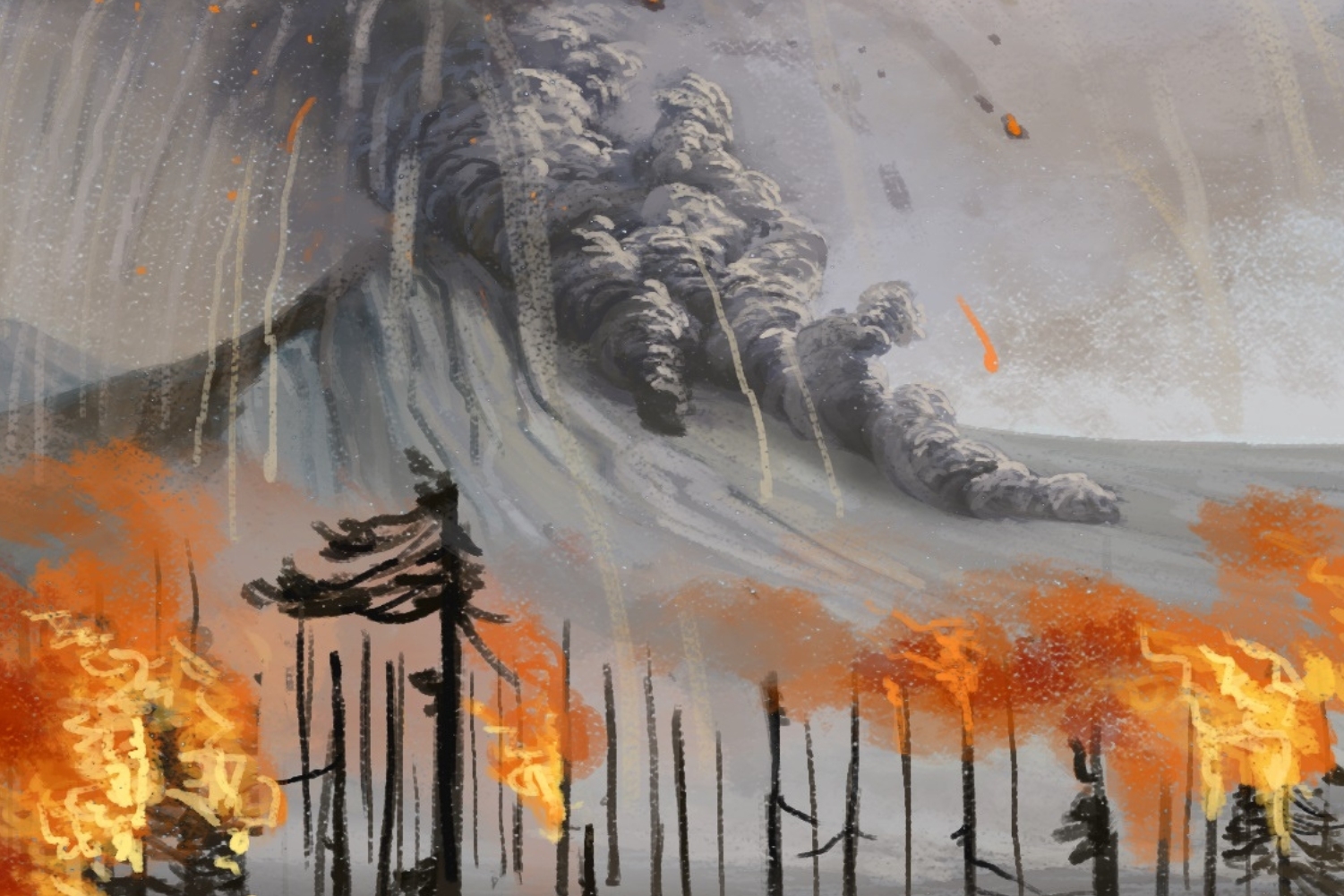
Paleontologists from Brazil and Chile reveal an important discovery about the past of the most inhospitable continent on Earth, Antarctica. Today covered in snow, in the past, however, the location was not like this. The research, led by Brazilian paleobotanist Dr. Joseline Manfroi, along with her collaborators, proves that Antarctica was disturbed by frequent forest fires that were directly associated with active volcanic episodes during the end of the Age of Dinosaurs, 75 million years ago.
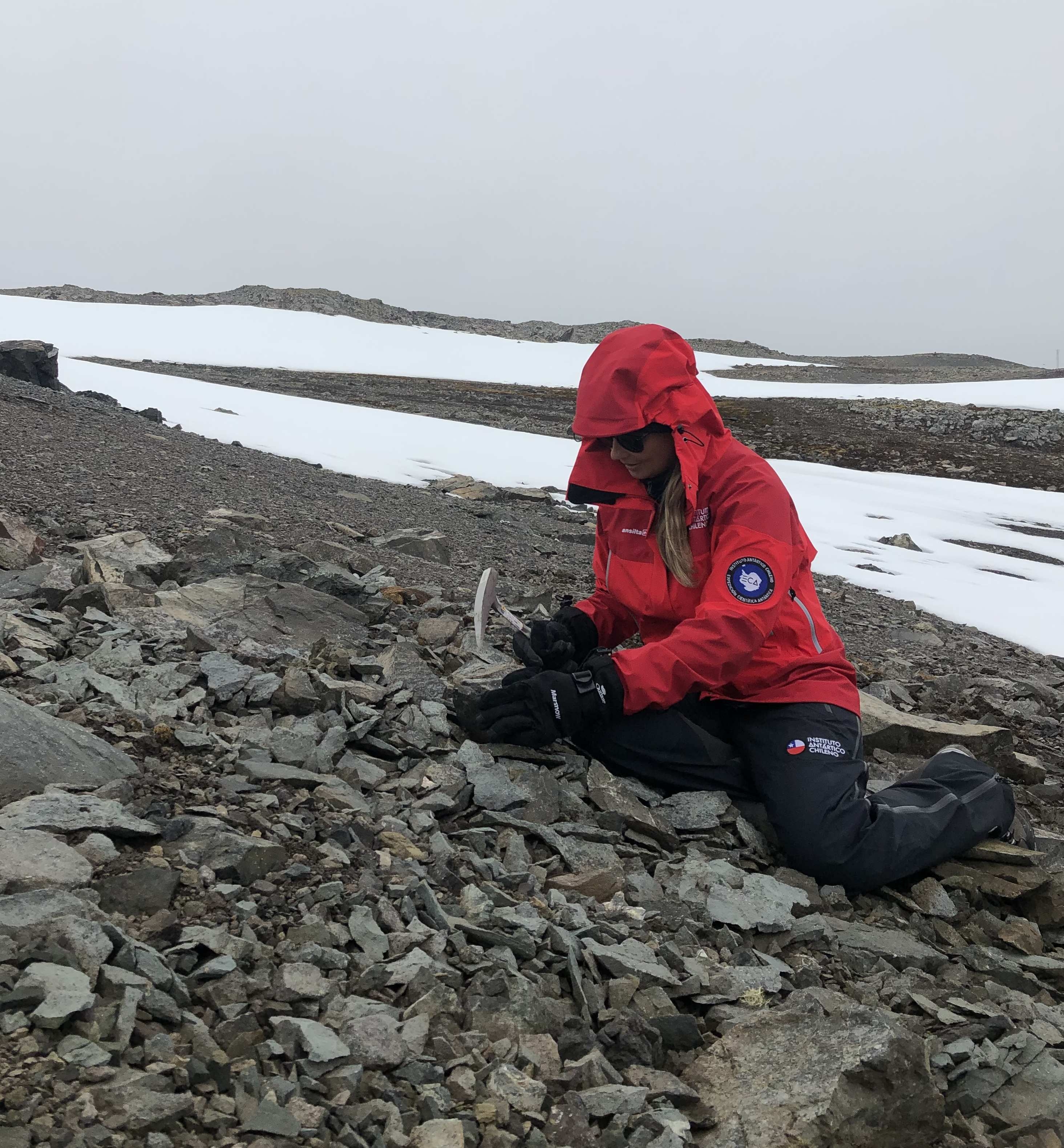
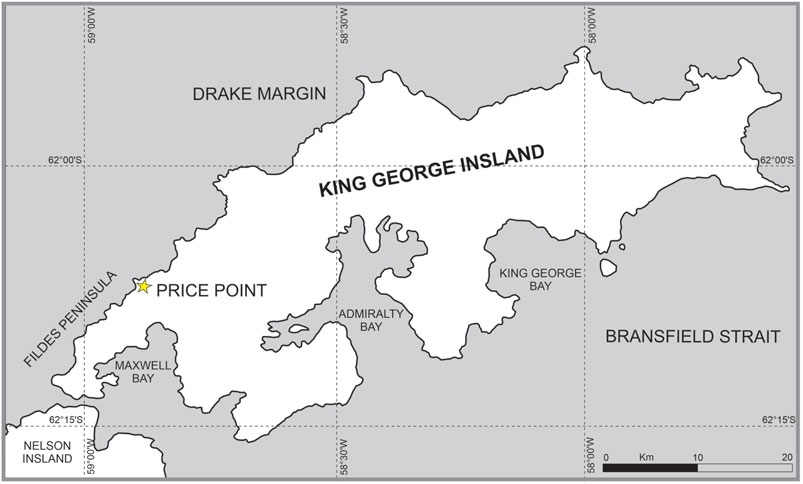
The research was developed with paleontological samples collected on King George Island, in the Shetland Islands archipelago, on the Antarctic Peninsula, during scientific expeditions carried out by the Chilean Antarctic Institute (INACH) and the Brazilian Antarctic Program (Proantar). The first evidence of forest fire occurrence in Antarctica had already been proven by the same researcher in 2015, in a paper published in the journal Palaeogeography, Palaeoclimatology, Paleoecology, entitled The first report of a Campanian palaeo-wildfire in the West Antarctic Peninsula. In 2021, another study for Antarctica also presented more evidence on the issue.

New evidence
However, the new evidence presented by the study developed by Dr. Joseline and collaborators, during her postdoctoral at the Chilean Antarctic Institute, demonstrates that Antarctica was effectively on fire during the Cretaceous period, and the occurrence of forest fires was frequent. And these episodes of fires were associated with the active volcanism of the time.
The new work, entitled: “‘Antarctic on fire’: Paleo-wildfires events associated with volcanic deposits in the Antarctic Peninsula during the late Cretaceous”, which evidences this important discovery, was published on Friday, April 14, 2023, in the journal Frontiers in Earth Science, in the Paleontology section, being currently one of the most important journals in the field of Geosciences.
According to the authors of the study, global environmental changes are among the greatest challenges for humanity's understanding. In this sense, the construction of scenarios that facilitate the understanding of the environmental evolution of the most diverse environments on the globe is of paramount importance.
“And this construction goes beyond the current signs of disturbances in the environments, but it is also necessary to pay attention to studies that represent a broader temporal scale. Therefore, characterizing and understanding past environments of the Earth, the paleoenvironments, and their disturbing agents (such as fire), are fundamental tools for the construction of scenarios and models that enable a better understanding of terrestrial dynamics and assist in the conservation of current biota,” explains Joseline.
The Antarctic continent, because it is considered the continent of extremes, is one of the environments that is increasingly arousing research interest for a better understanding. In addition to being the continent that presents the most unfavorable conditions for the development of terrestrial biodiversity today, due to its hostile abiotic factors (such as significant cold and wind intensity), it is also the continent that best preserves its environmental characteristics, being a true natural laboratory that brings together exceptional conditions for the development of basic and applied sciences research, which makes it especially interesting from a human perspective.
The scientific research with international collaboration between Brazil and Chile was funded by the National Council for Scientific and Technological Development - CNPq and developed with the collaboration of different institutions, including: the Chilean Antarctic Institute (INACH), the University of Vale do Rio dos Sinos (Unisinos), the University of Vale do Taquari (Univates), the Federal University of Rio Grande do Sul (Ufrgs), the University of São Paulo (USP) and the Brazilian Antarctic Program (Proantar), through the Floratar project.
The continent over time
Despite currently being a large isolated landmass in the Southern Hemisphere, the Antarctic continent did not always occupy this geographic position. Throughout geological eras, it moved and changed due to constant tectonic movements, occupying different positions on the globe throughout its paleogeographic history. Along this history, the southern environments changed significantly. In deep time, they were dominated by a vast diversity of species that composed and/or inhabited large forests, which left their traces through the paleobotanical record preserved in different geological contexts in Antarctica, with emphasis on deposits from the Cretaceous period.
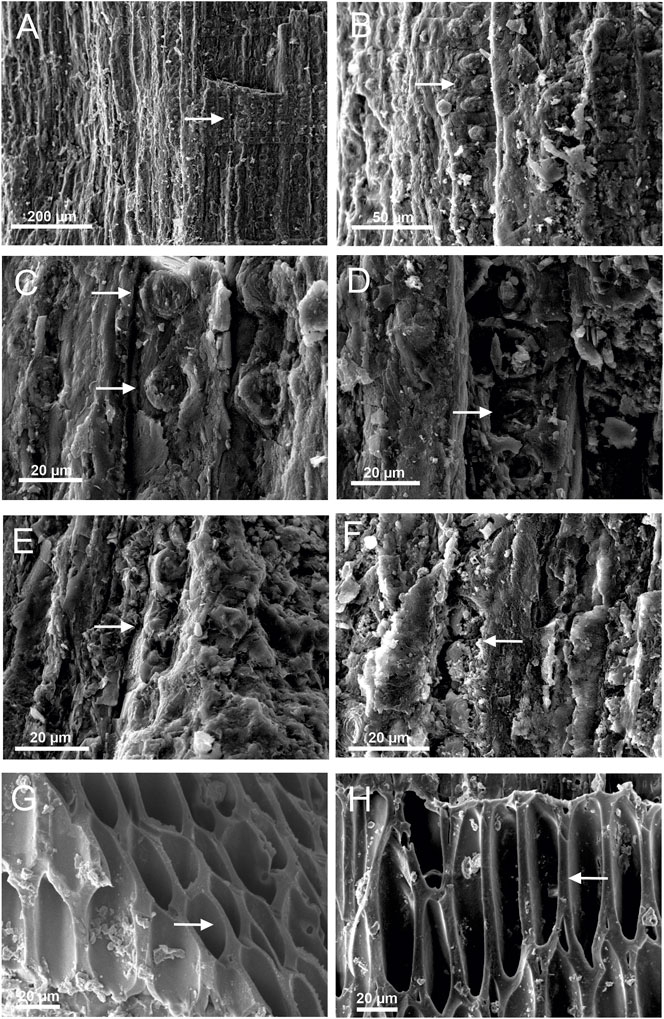
During the Cretaceous period, just as it occurs today, forest fires were very common shaping elements in terrestrial environments. Besides being considered one of the important environmental disturbance factors in different biomes, past vegetation fires are evidenced, among other ways, by the presence of fossilized charcoal, originated by the carbonization process, which consists of the incomplete burning of plant fragments that are preserved in the geological record. Different factors influence the occurrence, frequency, and intensity of natural fires in ecosystems, from seasonal climate, availability of plant material (fuel), moisture, and forms and causes of ignition.
Implications of the study
Through this research, it is known that southern environments, during the Cretaceous period, were also disturbed by the occurrence of forest fires, much more frequent than previously thought, which consumed vegetation partially or totally. The analysis of these fragments of carbonized plant fossils recovered in Cretaceous deposits in Antarctica, especially those recovered on King George Island, not only allowed the characterization of the vegetation that was burned, mainly composed of plant known as gymnosperms. It also allowed the diagnosis of the elements involved in the ignition of vegetation, thus enabling the reconstruction of a paleoenvironmental scenario that is easy to understand.
“The intense volcanism attested to in the Cretaceous, which comprises a large part of the rock layers in Antarctica, was also the driving force behind the forest fires that occurred during this same period. However, contrary to what one might imagine, it was not the flows of molten lava from active volcanism that consumed the vegetation, but rather the contact of the vegetation with the heated ash clouds, pyroclastic clouds, that were expelled by the volcanoes, which were preserved in the geological record through very fine volcanic sediments, such as volcanic tuffs. These heated ash clouds reached the forests, causing the onset of natural vegetation fires," comments the lead author, Dr. Joseline Manfroi.
“It can be said that, despite Antarctica being represented in modern times by its negative temperatures and 98% coverage of ice on its territory, throughout its geological history, its environments were once ablaze, attested by the plant fossils that demonstrate the occurrence of fires in vegetation. The action of fire on vegetation was frequent and shaped and disturbed the southern forests during the Cretaceous period, influencing the evolution and floristic biodiversity in these areas of the globe,” emphasizes the researcher.


